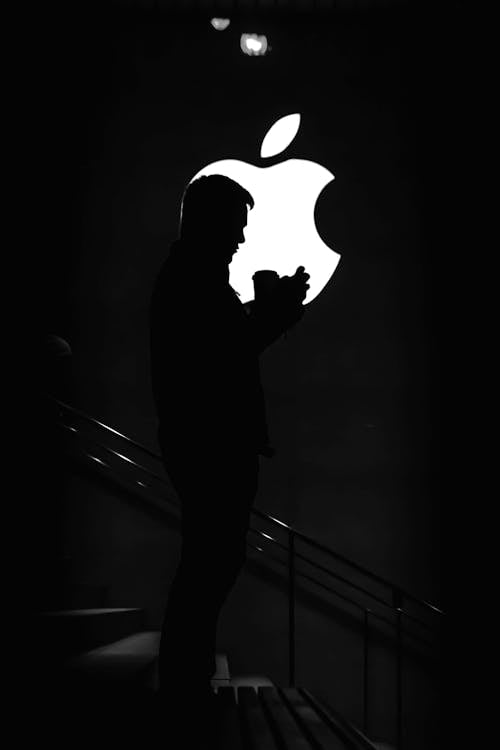
Steven Paul Jobs (1955-2011) was an American entrepreneur and inventor who co-founded Apple Inc. and played a key role in the development of the personal computer, the graphical user interface, and the smartphone. He is widely recognized as a pioneer of the modern technology industry and is remembered for his innovative ideas and design sensibility, as well as his volatile personality.
Jobs was born in San Francisco, California, and was adopted by Paul and Clara Jobs. He was raised in the Silicon Valley and attended Reed College in Portland, Oregon, before dropping out after just one semester. He returned to California and took courses in calligraphy, which would later influence the design of Apple's first computer, the Apple I.
In 1976, Jobs co-founded Apple Computer with Steve Wozniak. The company's first product, the Apple I, was introduced the following year and was followed by the Apple II, which became one of the first commercially successful personal computers. During this time, Jobs also helped develop the graphical user interface, which allowed users to interact with computers through graphical icons and visual displays, rather than through text-based commands.
In the 1980s, Jobs stepped down as Apple's CEO after a power struggle with the company's board of directors. He went on to found NeXT Inc., a computer company that specialized in high-end workstations for the education and business markets. In 1986, he acquired the computer graphics division of Lucasfilm Ltd., which would later become Pixar Animation Studios. Under Jobs' leadership, Pixar produced several successful films, including "Toy Story," "A Bug's Life," and "Finding Nemo."
In 1997, Apple acquired NeXT, and Jobs returned to the company as CEO. He immediately set to work revamping Apple's product line, introducing the iMac, the iPod, the iPhone, and the iPad. These products were designed with simplicity, elegance, and functionality in mind, and they helped establish Apple as one of the world's leading technology companies.
Jobs was known for his demanding management style and his perfectionism, which sometimes caused conflicts with colleagues and employees. However, he was also admired for his visionary ideas and his ability to think outside the box. He was a charismatic speaker and was often credited with having the ability to see the potential in new technologies long before they became mainstream.
Jobs passed away in 2011, at the age of 56, after a long battle with pancreatic cancer. Despite his relatively short life, his impact on the technology industry and on popular culture has been enormous. He remains a symbol of innovation, creativity, and the power of the individual to change the world.
In conclusion, Steven Jobs was a visionary entrepreneur and inventor who changed the world by making technology accessible to everyone. His innovative ideas and design sensibility, as well as his charismatic leadership, have had a lasting impact on the technology industry and on popular culture. He will always be remembered as a pioneer of the modern technology industry and as an inspiration to generations of entrepreneurs and innovators.